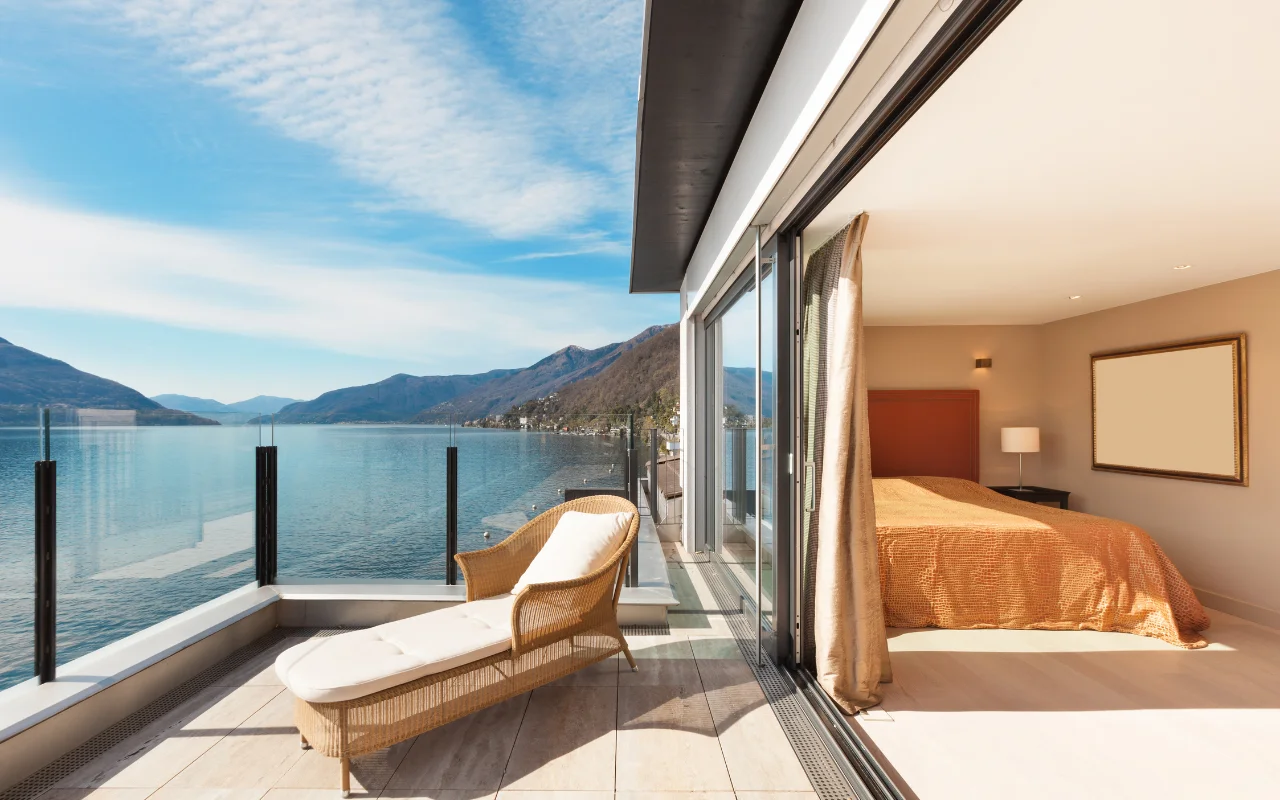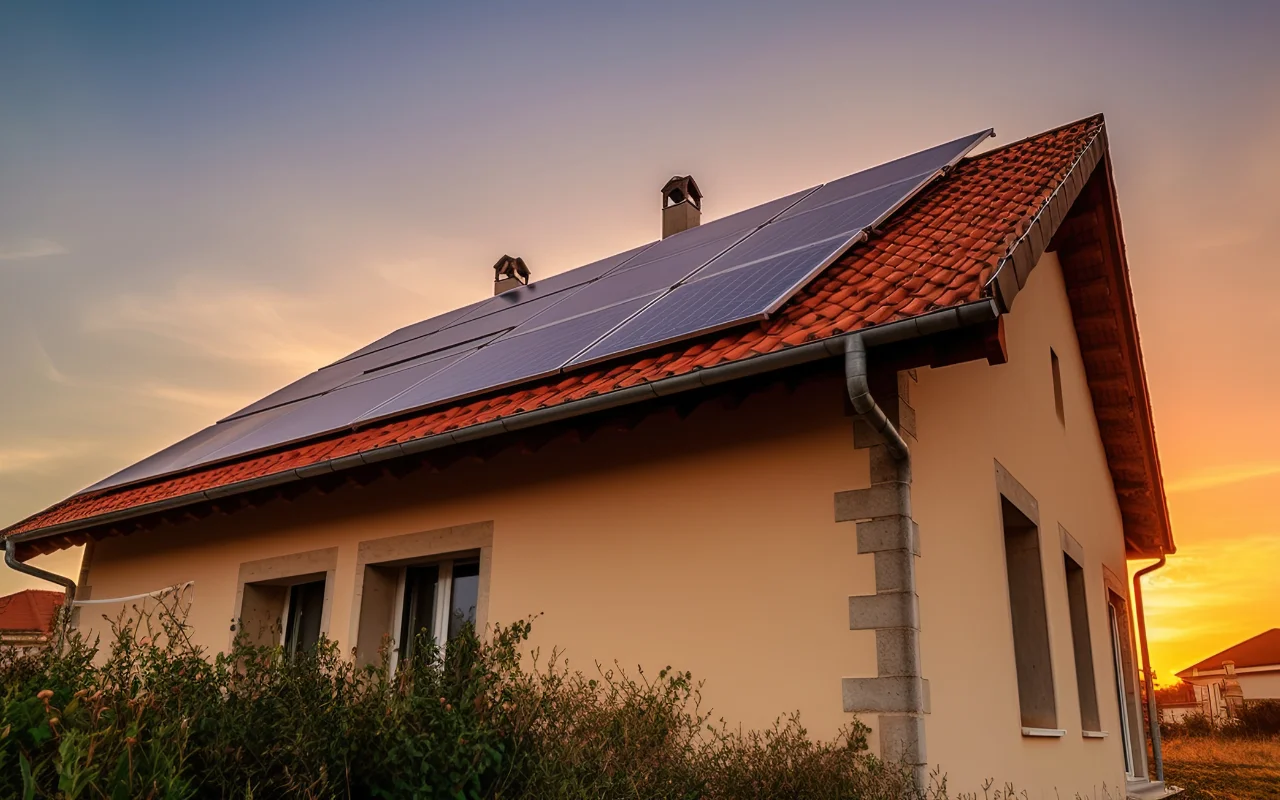
Installing solar panels on the Costa Blanca (Alicante province) is no longer simply a “green” choice — it is a genuine driver of savings, property value and comfort for luxury villas, beachfront penthouses and private communities. With outstanding solar irradiation, regional income-tax deductions and well-structured municipal incentives (IBI/ICIO), the financial case is highly favourable — and set to improve further as Spain expands its collective self-consumption framework.
Is it profitable to install solar panels at home (Alicante)?
Along the Alicante coastline, annual photovoltaic production per kWp installed is strong, consistent with south-east Spain’s high solar resource. This shortens payback periods for medium-to-high consumption homes. When combined with regional IRPF deductions (up to 40% for primary residences and 20% for second homes, subject to IVACE certification) and municipal incentives (IBI/ICIO), the return on investment can be several years faster than in less sunny regions.
Who benefits most from solar installations?
- Luxury villas with high base consumption (climate control, heated pools, home automation, EV chargers): daytime self-consumption covers a significant share of demand.
- Beachfront second homes with extended stays: smart scheduling for pools and hot-water systems maximises on-site use and reduces export to the grid.
- Private communities with shared facilities: pool pumps, lighting, concierge buildings and EV charging benefit from strong daylight-hour demand profiles.
In all cases, Spain’s simplified surplus compensation model makes investment attractive even without batteries — which can be added later if desired.
From what consumption level does it make sense?
From around 4,000–5,000 kWh/year, self-consumption becomes particularly compelling. In luxury villas with pools and climate control, usage often exceeds this. With 5–10 kWp systems, premium homes on the Costa Blanca commonly achieve 30–60% energy cost savings, depending on habits, orientation and tariff structure.
Is it profitable for private estates and communities?
Yes. Spain’s collective self-consumption rules allow one installation to power multiple properties within a 2-km radius (RD 244/2019). The Spanish Government has announced an expansion to 5 km and new allocation models, creating attractive opportunities for gated estates, shared garages and managed luxury communities.
How long do subsidies take to be received?
In programmes such as those in the Valencian Community, payment requests are submitted after approval, with administrative timeframes of up to 6 months. Processing times vary depending on demand. Sensible planning treats the installation as profitable by itself, with subsidies considered an additional benefit.
When do panels start producing — and how to maximise use?
With south-facing orientation and no shading, modules begin producing soon after sunrise, peaking from mid-morning into early afternoon. To maximise self-consumption, schedule pool filtration, hot-water systems and EV charging during daylight hours. In seafront penthouses, consider mixed orientations (east/south/west) to spread production and minimise battery needs.
Tax advantages: IRPF, IBI and ICIO
- IRPF (Valencian Community): up to 40% deduction for a primary residence and 20% for second homes (with IVACE approval).
- IBI (Alicante city): temporary discounts for properties with solar installations, up to 75% depending on the local ordinance.
- ICIO: up to 95% reduction when the installation is declared of special municipal interest or utility.
Tip: A tailored technical and tax assessment ensures correct sizing and maximises incentives.
Quick checklist for discerning homeowners
- Architecture & aesthetics: integrated solutions (solar tiles, black-frame panels, flush mounting on flat roofs).
- Smart operation: advanced monitoring apps, usage curve analysis and sector-based automation.
- Compliance & grid connection: technical report, legal registration, surplus compensation and collective self-consumption where applicable.
- Tax planning: manage IVACE certification and check municipal IBI/ICIO schemes.